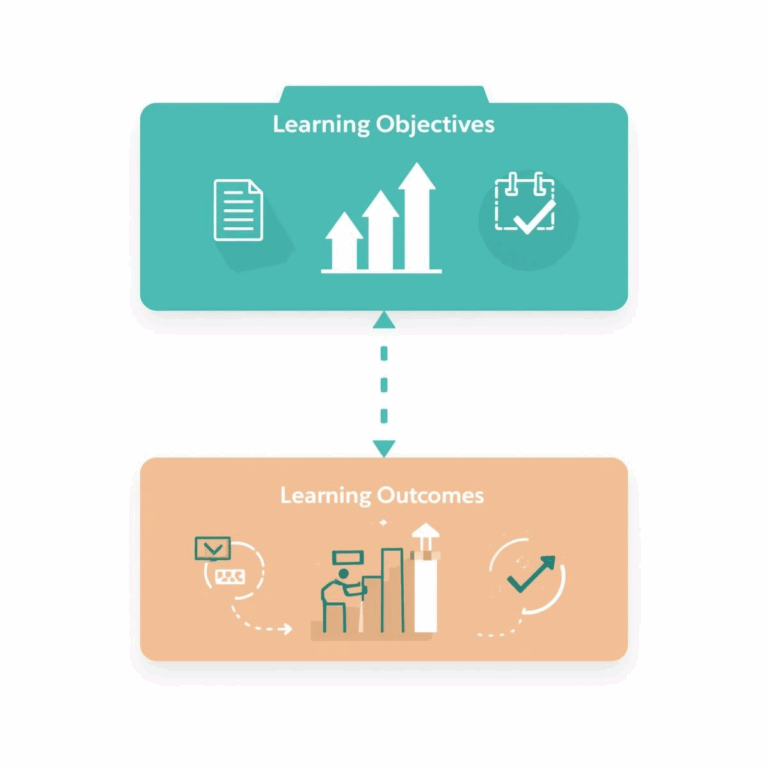
From Noise to Clarity: Why Instructional Design Matters in Modern Learning
Introduction Let’s face it: we live in an age where knowledge is everywhere—online courses, YouTube tutorials, workshops, and even quick tips on…
Introduction
Let’s face it: we live in an age where knowledge is everywhere—online courses, YouTube tutorials, workshops, and even quick tips on social media. But here’s the truth most people don’t talk about: great learning often fails when there’s no thoughtful “Instructional Design” behind it.
Think about it. You’ve probably enrolled in a course that had all the right content but still left you feeling disengaged, overwhelmed, or unmotivated. Why? Because the way learning is designed is just as important as what’s being taught.
Without a clear structure, engaging flow, and psychology-backed strategies, learners struggle to retain {learning outcomes}, apply {teaching methodologies}, or see any improvement in {training effectiveness}. And this isn’t just a problem in schools—it’s a major challenge for {corporate training programs}, {online learning design}, and even {teacher professional development}.
So, let’s dive deep into why design matters and how focusing on the right elements can turn information into transformation.
“Educational Content Writing”
The first pillar of great design is powerful “Educational Content Writing”. Content is the foundation of every course, workshop, or training program. But here’s the catch: simply compiling facts isn’t enough.
Strong educational writing must:
- Simplify complex concepts without oversimplifying them.
- Weave in stories, analogies, and relatable examples.
- Use clear structure, bullet points, and micro-content for easy scanning.
- Align every piece of content with {learning outcomes}.
For example, imagine a course on {curriculum development}. If the content is overloaded with jargon, learners disengage. But if it explains step by step, supported by case studies and clear visuals, learners stay motivated.
💡 Pro tip: When writing–always keep cognitive load theory in mind. Too much information at once overwhelms the brain. The secret one needs to remember is chunking: deliver content in digestible bites, supported by visuals and summaries.
“Learning Experience Design”
If content is the foundation, then “Learning Experience Design” is the architecture. It’s not about the content alone—it’s about how learners interact with it.
Consider this:
- Does the course allow learners to practice and reflect?
- Are {active learning strategies} integrated?
- Is progress visible, so learners feel small wins along the way?
This is where models like “Bloom’s taxonomy” and the “ADDIE model” shine. They help create courses that move beyond memorization and encourage higher-level thinking.
When learners feel guided instead of pushed, the experience becomes transformative. For instance, an entrepreneur learning about sales strategies will absorb more when they’re applying role-plays or real-world scenarios instead of passively reading slides.
✨ Key idea: Design the experience as a journey, not a checklist. Every step should build confidence, leading to practical application.
“Communication Training for Educators”
Here’s a surprising truth: the best design can still fail if the delivery is weak. That’s where “Communication Training for Educators” plays a vital role.
Think of it this way: Even the most engaging content will fall flat if educators sound monotone, disconnected, or overly technical. Learners crave connection.
Great communication training equips educators to:
- Master both verbal and non-verbal communication.
- Understand {cognitive load theory} to avoid overloading learners.
- Adapt delivery to diverse learner needs.
- Build trust and safety so learners feel free to ask questions.
For EdTech companies, this matters even more. Imagine building an LMS with stellar {course design best practices} but without training facilitators in effective delivery. The result? Poor engagement and wasted investment.
💬 Quote to remember: “Learning isn’t just about what you say—it’s about how learners feel when you say it.”
“Psychology in Learning”
Behind every effective training lies the science of the mind. “Psychology in Learning” helps us understand how people absorb, process, and recall information.
Here are some psychology-driven insights that improve design:
- Motivation matters: Adults learn best when they see relevance to real-world application. Tie every lesson back to {adult learning theories} and immediate problem-solving.
- Spacing beats cramming: {Active learning strategies} and spaced repetition ensure long-term retention.
- Emotion fuels memory: People remember stories and examples far more than raw data.
A perfect illustration: In {teacher professional development}, workshops that focus only on policies often fail. But when trainers weave in real classroom challenges and collaborative problem-solving, teachers stay engaged.
🧠 Rule of thumb: Always design learning experiences with the brain in mind. It’s not about stuffing information—it’s about building meaning.
“Effective Training Strategies”
Finally, we need to talk about execution. “Effective Training Strategies” are where design meets practice.
Here are five strategies every entrepreneur, teacher, or EdTech leader should keep in mind:
- Use Blended Learning: Combine {online learning design} with in-person interaction to maximize flexibility.
- Gamify Engagement: Simple elements like quizzes, points, or challenges increase {learner engagement}.
- Feedback Loops: Encourage learners to reflect, share, and adjust. This drives {training effectiveness}.
- Scaffold Learning: Build knowledge step by step, aligned with {Bloom’s taxonomy}.
- Evaluate Outcomes: Use surveys, assessments, and analytics to track {learning outcomes} and improve future courses.
Remember, strategy isn’t about throwing in trends—it’s about aligning everything with purpose. The design should always answer the question: How will this help learners apply what they’ve learned in the real world?
Conclusion
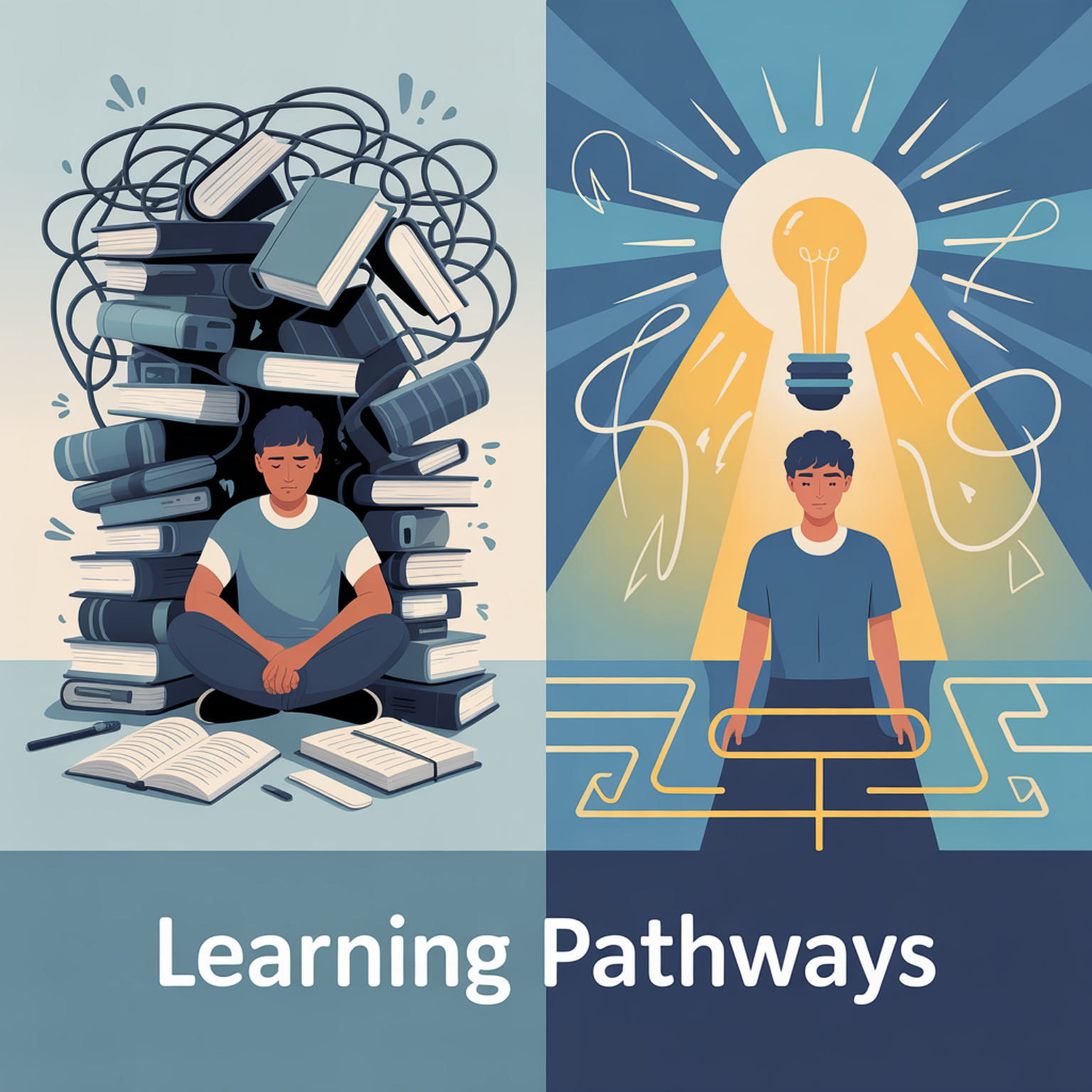
So, why does great learning fail without great design? Because information without structure is noise.
Without “Instructional Design”, learners feel lost. Without “Educational Content Writing”, content overwhelms. Without “Learning Experience Design”, learners disengage. Without “Communication Training for Educators”, delivery falls flat. Without “Psychology in Learning”, retention fails. And without “Effective Training Strategies”, even the best plans collapse.
The solution? Think holistically. Treat learning as a carefully designed ecosystem where every element—content, design, psychology, communication, and strategy—works together.
And when you do, the results are powerful:
✅ Motivated learners
✅ Stronger {curriculum development}
✅ Higher {training effectiveness}
✅ Long-term impact for both individuals and organizations
Because at the end of the day, great learning isn’t about how much you teach—it’s about how deeply learners transform. 🚀